
What's the recipe for over a century of cookery at the Royal Adelaide Show?
Start with generations of home bakers. Fold in thousands of sponge cakes, scones, biscuits and preserves. Add a dash of friendly competition and leave it to rise for 100 years.
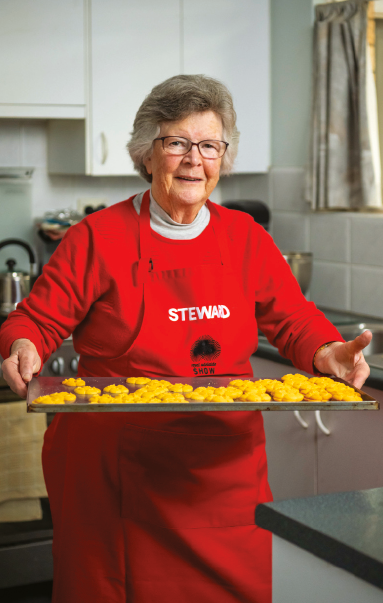
The result is one of the Show's most enduring and beloved traditions — a competition that has evolved with changing tastes while remaining firmly rooted in the simple pleasure of making something by hand.
For Glenys White and Joy Middleton, who have spent more than 30 years stewarding the section, the secret ingredient has always been the people — the exhibitors, volunteers and families who return year after year, ensuring the tradition continues.
"We weren't frightened of handling the cakes," Glenys laughs, recalling their early days moving delicate entries that other stewards were sometimes reluctant to touch.
For Joy, becoming involved fulfilled a long-held ambition. Having grown up attending the Show and spending hours admiring the cookery displays, the opportunity to work behind the scenes was irresistible.
"I always loved the cookery section and spent a lot of time in that area," she says. "When the opportunity came up, I thought this was one way of becoming involved."
Both women have witnessed enormous change since those early years. One of the biggest transformations was the move of the cookery displays into the Goyder Pavilion, which Glenys describes as a turning point for the section.
"It was a wonderful move," she says. "We got new display cabinets and now people spend a lot more time there. The little children are particularly interested in what's on display."
The entries themselves have evolved too. Categories once dominated by bottled fruits and traditional preserves have adapted to changing tastes. Today's exhibitors are more likely to enter chilli jams, gourmet chutneys and contemporary baked goods than the preserves that filled shelves in decades past.
"You have to change the competition schedule to keep up with what people are actually making," Joy explains. "Our tastes change, so what we preserve changes as well."
"People can look at a cake and think, 'I'd like to try that,'" says Joy. "It's something they can relate to."
For Glenys, one of the greatest challenges and opportunities lies in inspiring younger generations. In an era dominated by screens and digital distractions, she believes cooking remains an important life skill and creative outlet.
"It's wonderful to get young people involved," she says. "They lead different lives now, but cooking is something they'll always need."
That next generation is also where Joy finds her greatest inspiration. The junior classes continue to surprise her with their creativity, particularly in cake decorating and decorated biscuits.
Today, both women have stepped back from leadership roles but remain active in the pavilion. Glenys assists with judging and mentoring younger exhibitors, while Joy continues stewarding and supporting competitors.
"Sometimes competitors are nervous when they bring their entries in," she says. "You've got to encourage them and tell them they've done a great job."
As the Royal Adelaide Show surges past a century of cookery competition, both women are confident the tradition is in good hands. The recipes may change, the cakes may become more elaborate and tastes may evolve, but the spirit of the competition remains unchanged.
And when asked what the next 100 years might look like, Joy simply laughs.
"We probably can't even envisage it."